After more than 25 years, I’ve learned plenty of knitting lessons—many of them the hard way. You might think that after all those years, I would have every technique memorized, always choose the right yarn, and never start a project destined to sit unfinished for two decades.
You would be wrong.
Experience hasn’t stopped me from making mistakes. It has simply taught me which mistakes matter, which ones can be fixed, and which ones aren’t really mistakes at all. These are ten knitting lessons I wish I had understood when I first picked up my needles—plus one practical lesson I learned the hard way.
This post contains affiliate links. If you make a purchase through one of these links, I may earn a small commission at no extra cost to you.
1. You Don’t Have to Memorize Every Technique
Being an experienced knitter doesn’t mean knowing how to do everything without looking it up. I still need reminders. Sometimes I know exactly what a pattern is asking me to do but need a quick refresher on how to do it. Other times, I encounter something I’ve never tried before.
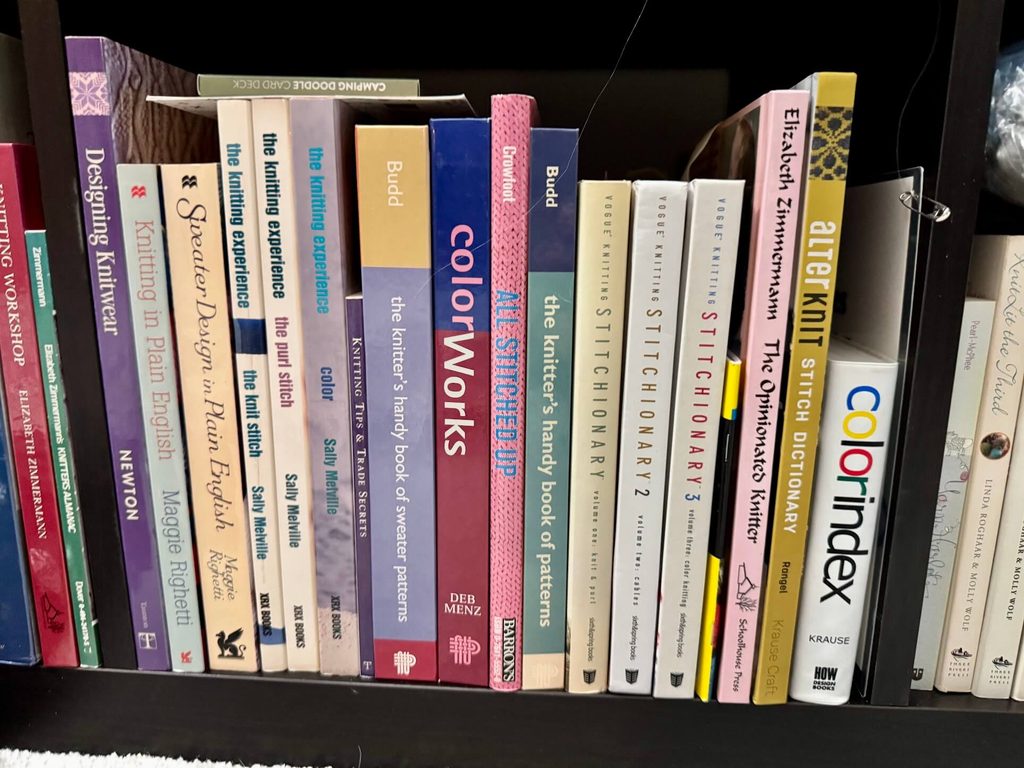
Knowing where to find reliable information is far more useful than trying to store every cast-on, bind-off, increase, decrease, and finishing technique in your head. I like to keep a few good reference books on my shelf for exactly this reason. Looking something up doesn’t mean you aren’t a “real” knitter. It means you’re learning—and knitters never really stop learning.
2. Your Way of Holding the Yarn Isn’t Wrong
There are many ways to hold yarn and manipulate the needles. Some knitters carry the yarn in their right hand, some in their left, and some switch depending on the project. There are knitters who tension the yarn around several fingers and others who barely wrap it at all.
If your method is comfortable, produces an even fabric, and gets you the result you want, it isn’t wrong. You may eventually change how you hold your yarn or learn another method for certain techniques, but you don’t have to knit exactly like the person who taught you—or the person in the video—to be doing it correctly.
3. Gauge Matters, but Not Equally for Everything
I don’t knit a separate swatch for socks, cowls, shawls, scarves, or most hats. I always swatch for sweaters. A shawl that ends up a little larger or smaller than expected will probably still be perfectly wearable. A sweater that is six inches too wide is an entirely different situation. A simple gauge ruler makes it much easier to count stitches and rows accurately before committing to an entire sweater.
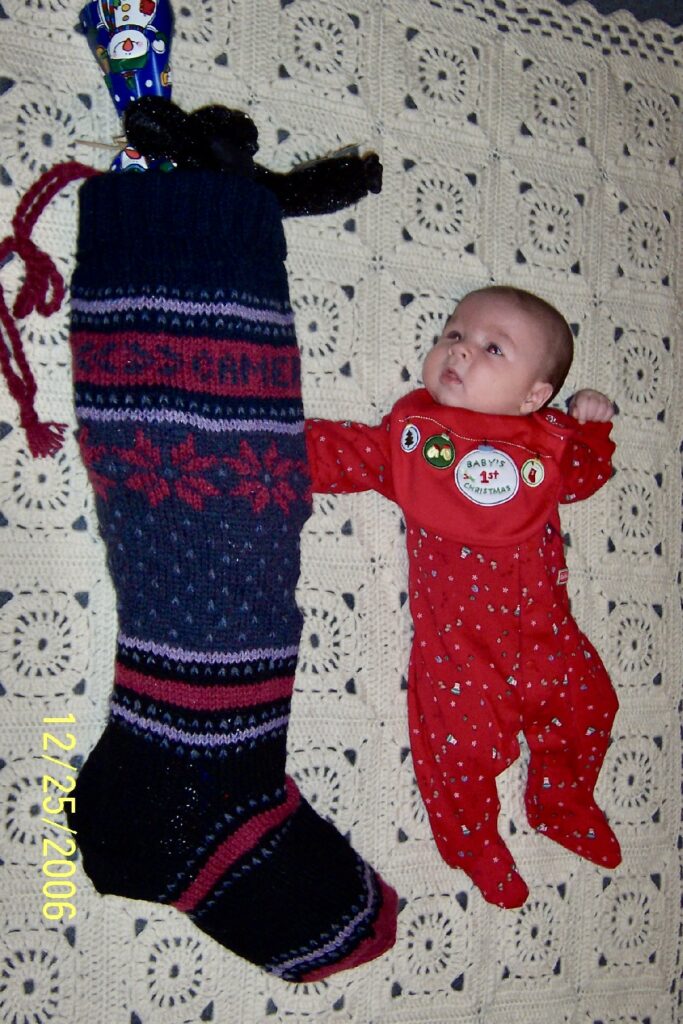
One of my earliest lessons in gauge came from a Christmas stocking I made for my newborn son about 20 years ago. I have a picture of him lying next to it, and the stocking is bigger than he is. It still worked as a Christmas stocking, but it provided a very memorable demonstration of what can happen when gauge and finished measurements are treated as optional information. And he always got the most stocking stuffers to fill it up!
The more important the fit—and the more time and yarn involved—the more carefully you should check your gauge.
4. Expensive Yarn Isn’t Automatically the Right Yarn
Beautiful, expensive yarn can be wonderful to knit with, but its price doesn’t guarantee that it will work for a particular pattern. Fiber content, construction, drape, durability, elasticity, and care requirements matter more than the number on the price tag.
A luxurious yarn that stretches out of shape, pills immediately, or hides the stitch pattern isn’t the right yarn for that project. Meanwhile, an affordable workhorse yarn might produce exactly the fabric you need.
Choose yarn for the project you’re making and the life the finished item will actually have. Sometimes that means using the special hand-dyed skein. Sometimes it means choosing something washable that can survive regular use.
5. Yarn Can Look Completely Different Once It’s Knitted
A skein can be irresistible on the shelf and disappointing on the needles—or surprisingly ordinary in the skein and spectacular once it becomes fabric. Variegated colors may pool, stripe, flash, or muddy together. A subtle tonal yarn may bring a stitch pattern to life, while a dramatic multicolored skein may hide every cable you worked so hard to create.
This is one reason swatching can be useful even when exact gauge isn’t critical. A small sample can show you how the colors behave, whether the stitch pattern is visible, and whether you actually like the fabric. Better yet, before buying, search Ravelry for projects made with that yarn—ideally in the same colorway—to see how it behaves once knitted.
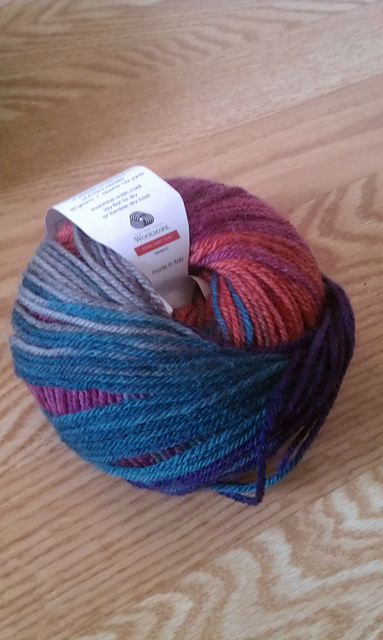
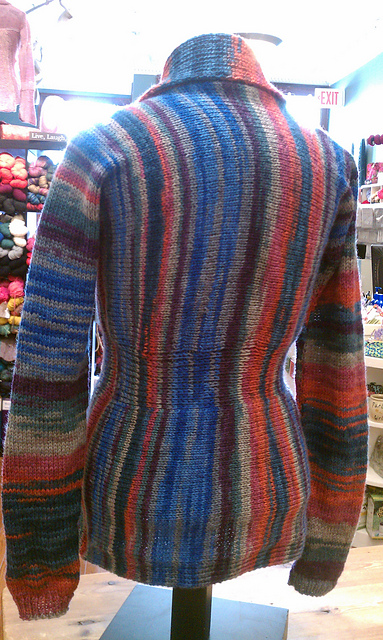
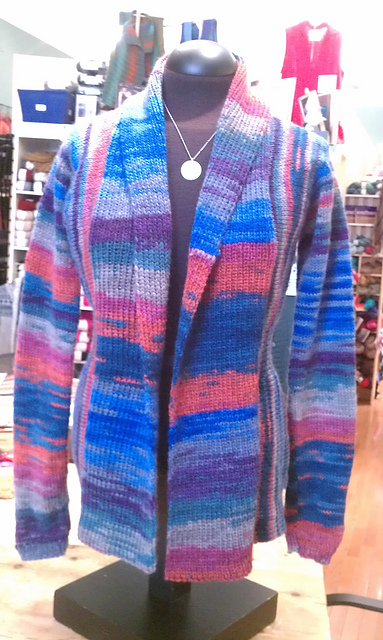
The skein is only the raw material. The knitted fabric is what you’re going to wear.
6. Frogging Isn’t Failure
Ripping out hours—or days—of knitting can be painful, but continuing with something you know isn’t working rarely makes it better. Frogging gives you the chance to fix a problem, change your plan, or use the yarn for something you’ll enjoy more.
If the yarn is worth saving, I wind it into a hank, wash it to relax the kinks, and use my ball winder to prepare it for another project.
The time you spent knitting wasn’t wasted. You learned something about the technique, the yarn, the pattern, or your own preferences. Sometimes you even learn that you absolutely never want to knit that particular thing again. That is still useful information.
7. You Aren’t Required to Finish Every Project
Frogging isn’t the only acceptable ending for an abandoned project. You can reclaim the yarn, pass the project to someone else, repurpose what you’ve made—or simply throw it away if you know you won’t reuse any of it.
Until recently, I had partially finished projects that had followed me around for nearly 20 years. At some point, keeping them stopped being optimistic and started being unnecessary guilt stored in a bag. I finally discarded the unfinished pieces and donated the remaining yarn. If I hadn’t wanted to finish them at any point in two decades, I was probably never going to.
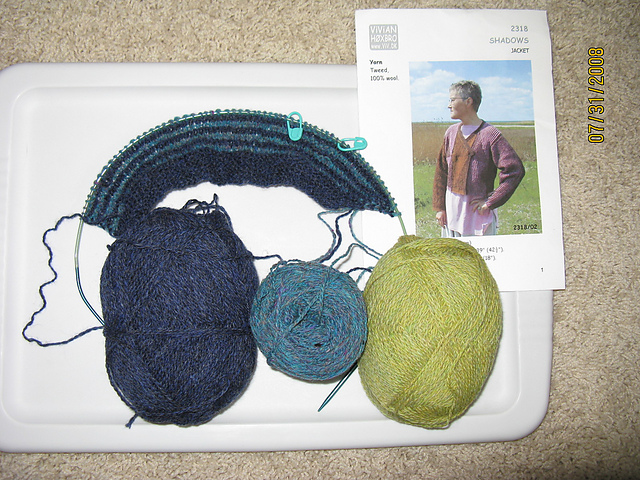
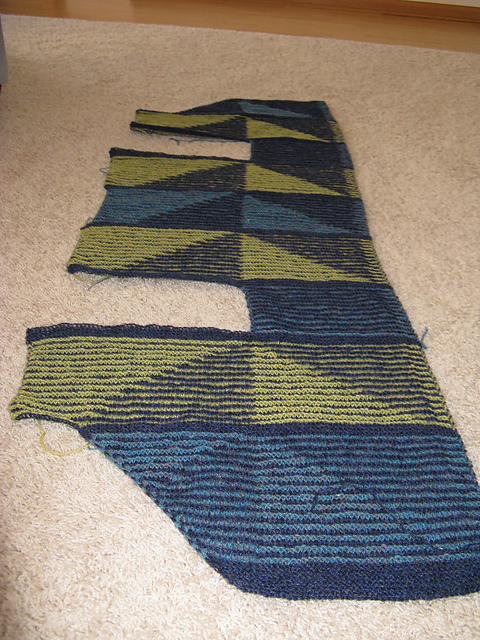
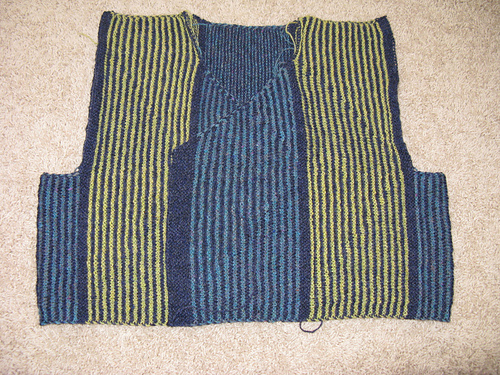
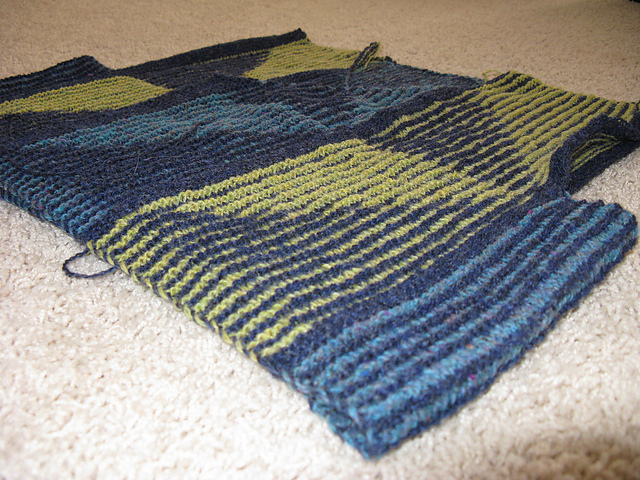
Finishing everything you start is not a requirement for being a good knitter. Sometimes letting go is the most satisfying way to finish a project.
8. You Don’t Have to Knit What Everyone Else Is Knitting
Every so often, a pattern seems to appear everywhere. Suddenly, everyone is making the same sweater, shawl, or pair of socks. Seeing all those beautiful versions can make it tempting to join in even when the pattern doesn’t fit your style.
Popularity doesn’t mean a design belongs in your wardrobe. If you don’t like the neckline, won’t wear the shape, or already know the construction will drive you crazy, you have permission to admire everyone else’s projects without casting on your own.
Knit what you will wear, use, or happily give to someone else. Your knitting time is too valuable to spend making something simply because the internet decided it was the project of the moment.
9. If You Want to Design, Start—and Keep Going
Designing a knitting pattern is incredibly rewarding. It combines creativity, problem-solving, math, experimentation, and the satisfaction of watching an idea become something another person can make.
I designed my first top in 2005 and dabbled in pattern design here and there afterward. I wish I had stuck with it more consistently over the years. I can’t go back and change that, but I can keep designing now—and perhaps encourage someone else not to wait as long.
You don’t need to know everything before you begin. Start with an idea, make a sample, take good notes, and learn what you need along the way. Your first design doesn’t have to launch an entire business. It only needs to teach you something and make you want to try again.
10. Don’t Let Anyone Make You Feel Bad for Knitting
People may tease you for taking your knitting everywhere, buying more yarn, or spending hours making something you could theoretically purchase at a store. They may not understand why you would frog half a sweater and start over or why finding the perfect stitch pattern is genuinely exciting.
When I was still a relatively new knitter, I would proudly wear each newly finished sweater to work, excited to show everyone what I had made. My coworkers’ expressions often made their opinions perfectly clear—and looking back, some of those sweaters probably were pretty hideous. But I had poured hours of work into them, learned something new, and felt proud of what I had accomplished. Their reactions didn’t have to take that away from me.
They don’t have to understand it.
Knitting is creative, useful, challenging, comforting, and joyful. It can connect us to family traditions, introduce us to new friends, carry us through difficult seasons, and give us something tangible to show for our time. If knitting brings you joy, then for crying out loud, do it.
Bonus: Take Good Photographs of Your Knits
I document nearly everything I make—and my yarn stash—in detail on Ravelry. Those records have become a wonderful history of my knitting, but the photographs from my first ten years leave a lot to be desired. Many are too dark, taken from strange angles, or framed so poorly that I can barely tell what the finished object is supposed to be.
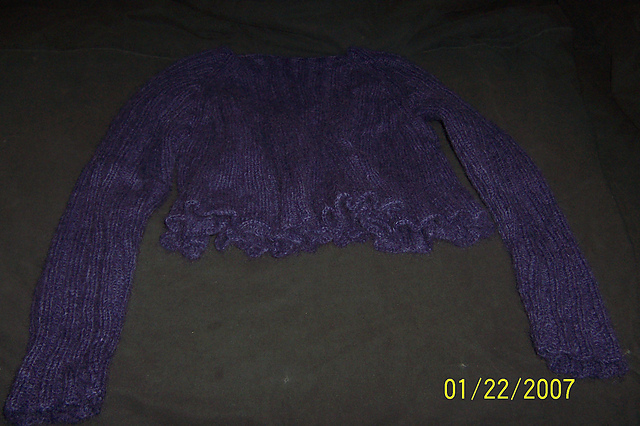
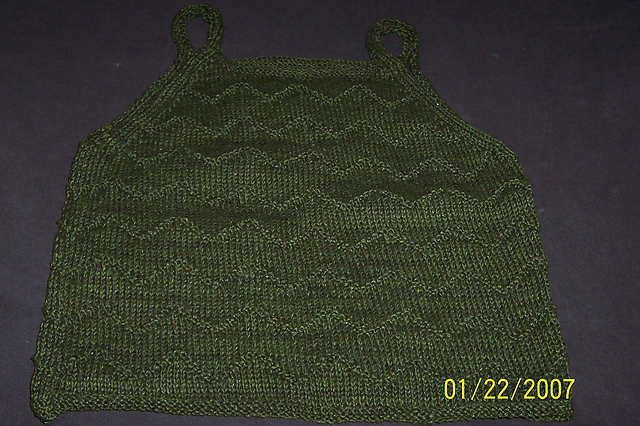
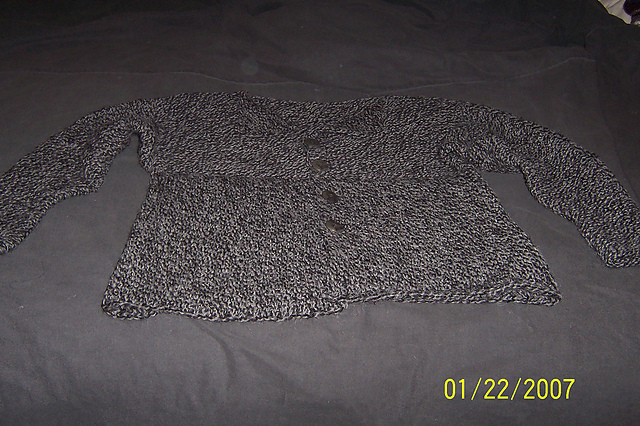
You don’t need professional equipment or an elaborate photo shoot. Find some natural light, photograph the entire project straight on, and take a few close-ups of the stitch pattern and other details. Take more than one photo, because you may not realize until years later which details you’ll want to see again.
If it’s something wearable, try to get at least one picture of it being worn. A small phone tripod can also make it much easier to photograph sweaters and other projects when no one is available to take the picture for you.
Your future self will appreciate having a clear record of what you made, how the yarn knitted up, and how the finished item fit. Every project represents hours of your time. It deserves better than one dark, mysterious photograph taken at an angle that makes it completely unrecognizable.
What These Knitting Lessons Have Taught Me
After more than 25 years, the most important thing I’ve learned is that there is no prize for knitting exactly the way someone else thinks you should. Choose the projects you love, use the yarn that works, look up anything you’ve forgotten, photograph what you finish, and let go of what no longer makes you happy.
Then cast on the next thing.