
Have you ever stopped in the middle of a knitting pattern and wondered, “Is that stitch count right?” or “Do I repeat that step 4 more times or 4 times total?” Maybe the numbers don’t add up, the chart doesn’t seem to match the written instructions, or an important finishing step appears to be missing.
Ideally, those questions are caught before the pattern ever reaches your needles. That is where a knitting technical editor comes in.
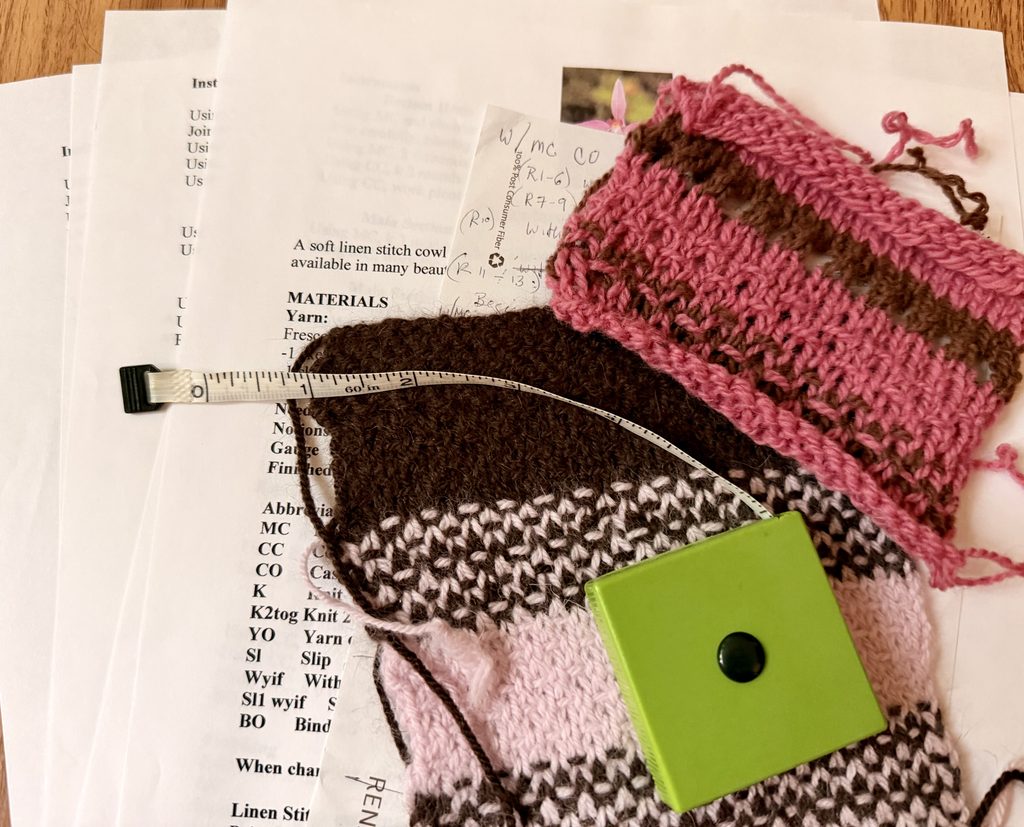
More Than Proofreading
A technical editor reviews a pattern from beginning to end, using knitting knowledge and experience, math skills, and close attention to detail. Grammar and spelling are part of the review, but it’s much more than just proofreading.
Depending on the pattern, a technical editor may check:
- Stitch and row counts
- Increase and decease calculations
- Gauge, measurements, and finished sizes
- Yardage and materials
- Charts, schematics, and written instructions
- Abbreviations and knitting terminology
- Consistency between sizes and pattern sections
- Missing, unclear, or out-of-order instructions
Yes, someone really does check whether all those stitch counts add up.
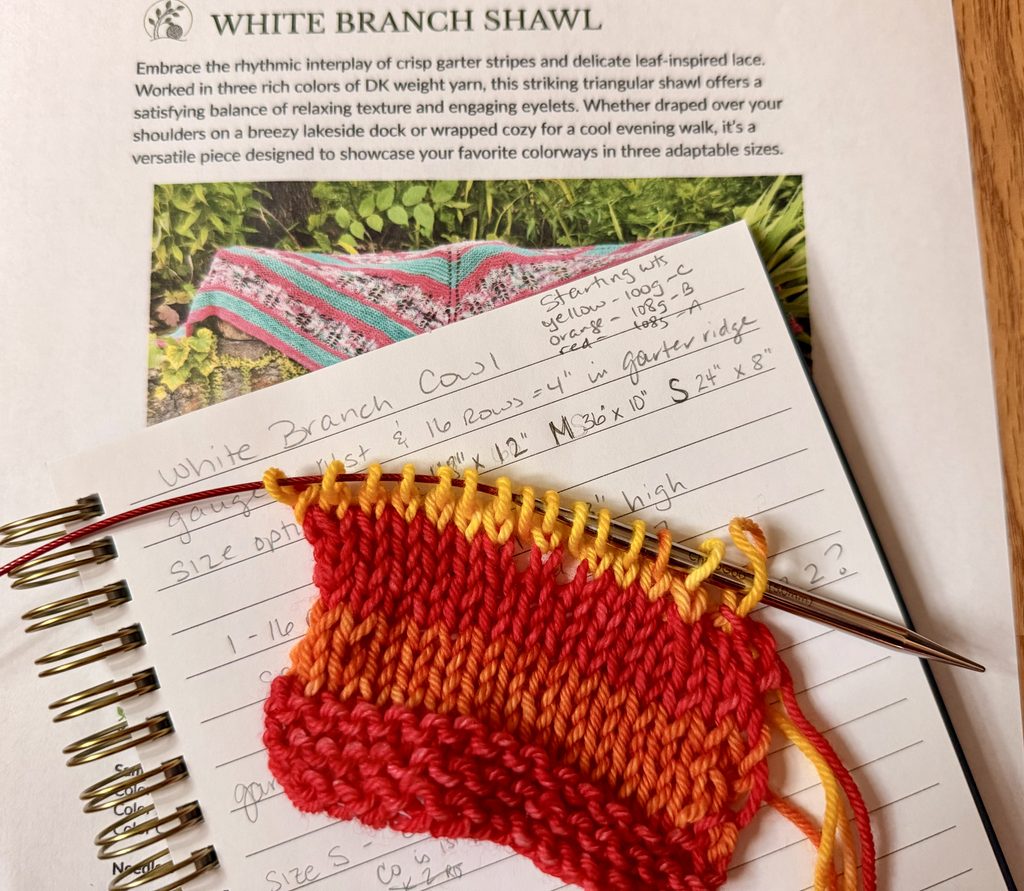
Why Designers Need a Technical Editor
Designers spend an enormous amount of time developing, writing, and probably knitting their patterns. After looking at the same instructions for weeks or months, however, it becomes very easy to read what you mean instead of what you wrote.
A technical editor provides a fresh, knowledgeable perspective. Catching a wrong number or unclear instruction before publication can help a designer release a more polished pattern, reduce support questions, and build trust with knitters.
The editor does not rewrite the designer’s pattern or voice. The editor identifies possible problems, asks questions, and suggests ways to make the instructions clearer.
What About Test Knitters?
Technical editing and test knitting are both valuable, but they serve different purposes.
A test knitter follows the pattern while making the project and reports on the experience. A technical editor examines the written pattern closely, checking its math, accuracy, clarity, and consistency, often before the pattern goes to test knitters.
Test knitters can catch things an editor may not encounter on the page, but testing is not a substitute for a line-by-line technical review.
What Should Knitters Look For?
When you are considering a pattern, look at the pattern listing or the designer’s website to see whether it says the pattern was professionally tech edited and test knit. Some designers also credit their editor inside the pattern.
If that information is not included, it is perfectly reasonable to ask the designer. This can be especially helpful before investing your time into a complex pattern that you know will challenge you and requires a rather expensive purchase of yarn.
Technical editing cannot promise that a pattern will never contain a typo or require clarification. It does show that the designer invested an additional level of review before asking knitters to spend their time, money and yarn on the project.
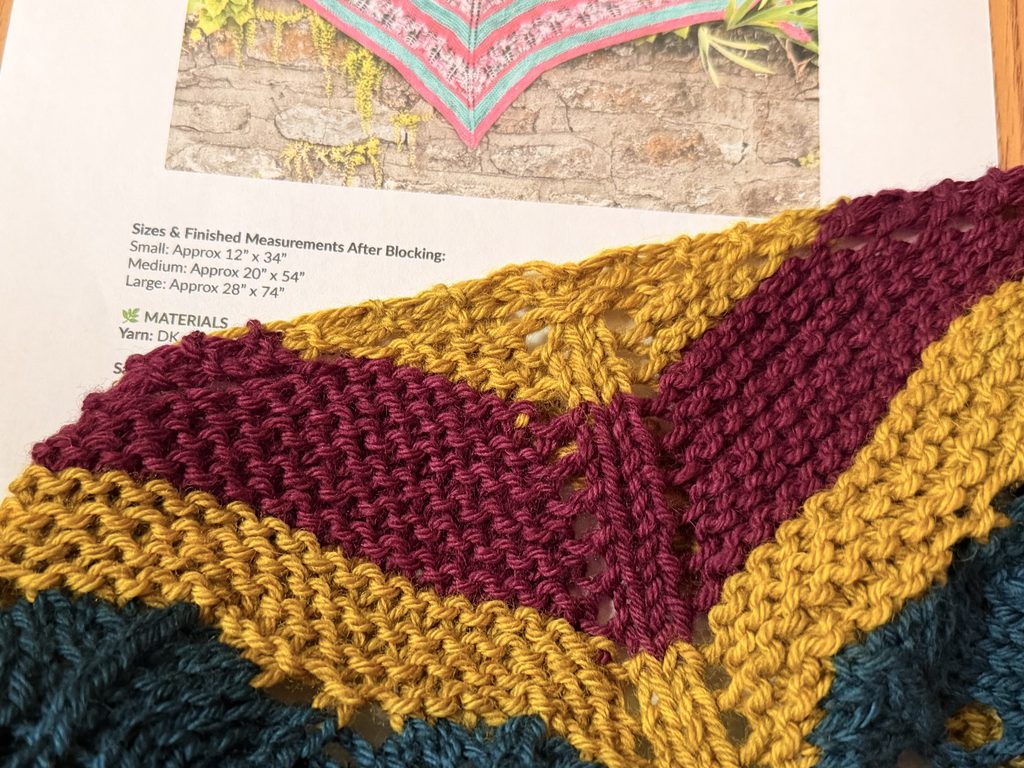
Technical Editing at White Branch Knits
I am currently completing The Knitting Guild Association’s Technical Editor Certification Course and building my technical editing practice through White Branch Knits.
At this stage, I am focusing on small project pattern, such as hats, cowls, shawls, socks, mittens, scarves, and blankets. My goal is to help designers create clear, consistent patterns that knitters can follow with confidence.
You can learn more about what I review and how the process works on the Technical Editing page. If you have a pattern preparing for testing or publication, please contact me to see whether your project and my current services are a good fit.